Tokyo Travel Guide
Our Tokyo Travel Guide helps you plan where to stay in Tokyo, what to see, how to get around, which areas to compare, how many days to spend in the city and how to connect the best Tokyo attractions, hotels, restaurants and tours into one practical trip plan.
Tokyo is one of the world’s most exciting cities to visit, but the best trip depends heavily on how you structure your stay. Some travelers want neon streets and nightlife in Shinjuku, others prefer shopping and restaurants in Shibuya, polished luxury in Ginza, traditional atmosphere in Asakusa, museums and value in Ueno, business convenience around Tokyo Station, pop culture in Akihabara or airport-friendly access near Shinagawa and Haneda.
For most visitors, the smartest approach is to choose your base first, then build your itinerary around nearby attractions, train access and the kind of Tokyo experience you want. Stay in Shinjuku for transport and nightlife, Shibuya for shopping and youth culture, Ginza for luxury and dining, Tokyo Station for business and rail convenience, Asakusa for traditional Tokyo, Ueno for museums and value, Roppongi for nightlife and international dining, and Shinagawa for Shinkansen and airport links.
Quick Guide
Where to Stay in Tokyo?
The best area to stay in Tokyo depends on the kind of trip you want. Some neighborhoods are better for nightlife and transport, some are better for shopping and restaurants, some are more traditional, and others are more practical for business, airports, families or first-time sightseeing.
Use this quick guide to choose the right Tokyo hotel base before comparing hotels.
Shinjuku
Best areas: transport, nightlife, restaurants, first-time visitors, large hotels, shopping and easy movement across Tokyo
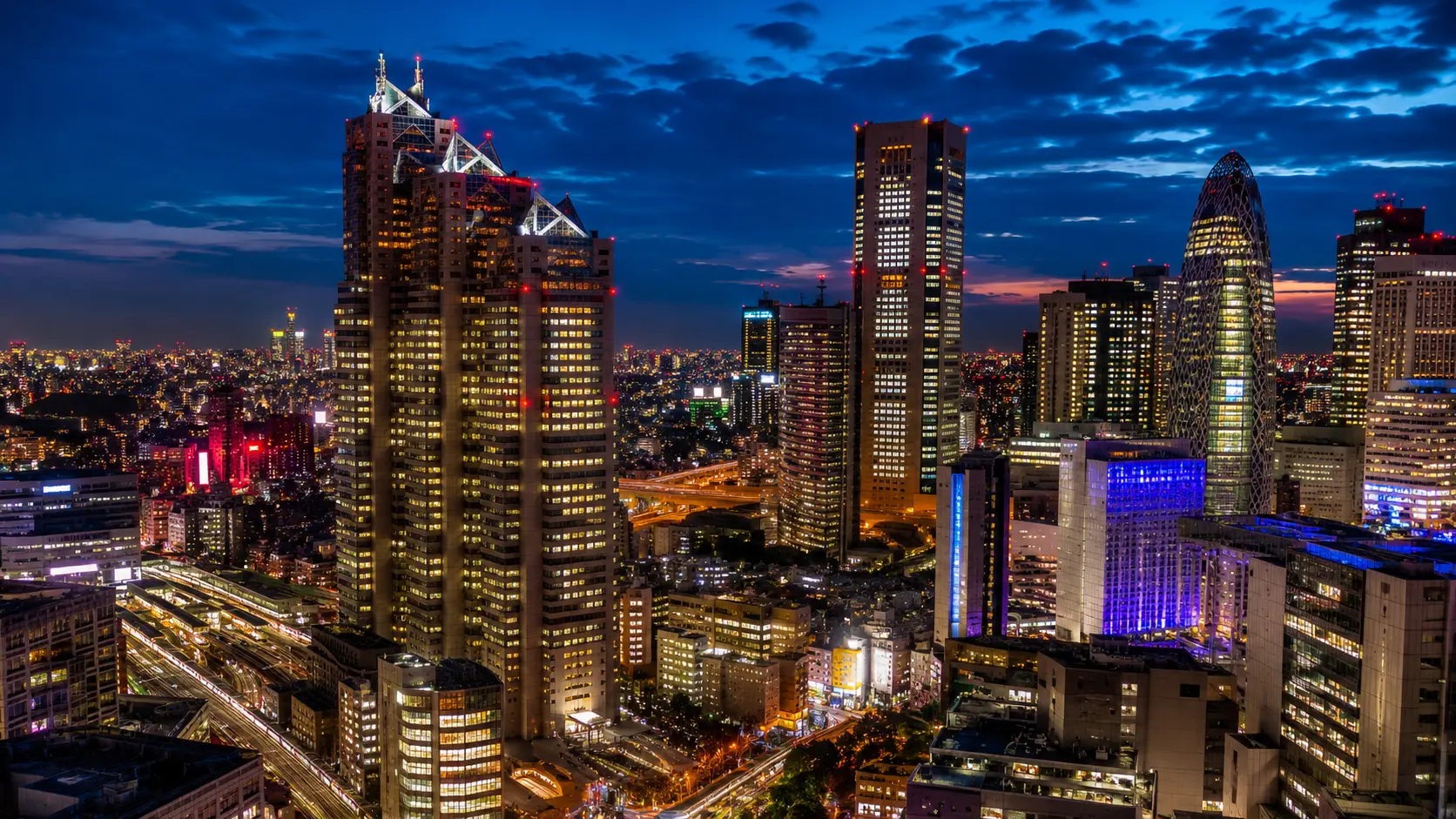
Stay in Shinjuku if you want one of Tokyo’s most useful transport bases with restaurants, nightlife, shopping and strong hotel choice. It works especially well for first-time visitors who want a lively area and easy train access across the city.
RECOMMENDED GUIDE
Best Hotels in Shinjuku Tokyo
Shibuya
Best areas: shopping, restaurants, nightlife, youth culture, first-time visitors, couples and western Tokyo access
Shibuya is one of the best areas in Tokyo if you want energy, shopping, cafés, restaurants and easy access to Harajuku, Omotesando and Ebisu. It works well for couples, first-time visitors and travelers who want a modern urban Tokyo base.
RECOMMENDED GUIDE
Best Hotels in Shibuya Tokyo
Ginza
Best areas: luxury hotels, shopping, restaurants, polished streets, couples, business travelers and first-time visitors
Choose Ginza if you want a more polished Tokyo stay with luxury hotels, department stores, restaurants and easy access to Tokyo Station, Tsukiji, Marunouchi and central sightseeing. It is one of the best choices for couples and luxury travelers.
RECOMMENDED GUIDE
Best Hotels in Ginza Tokyo
Asakusa
Best areas: traditional atmosphere, Senso-ji, value, first-time visitors, cultural streets and Tokyo Skytree access
Asakusa is a strong choice if you want a more traditional Tokyo atmosphere with temples, older streets, casual food and good value. It is especially useful for travelers who want cultural character rather than only modern nightlife.
RECOMMENDED GUIDE
Best Hotels in Asakusa Tokyo
Ueno
Best areas: museums, parks, value, transport, families, casual food and easy access to northern Tokyo
Ueno is one of the best value-friendly areas in Tokyo. It works well for museum lovers, families, travelers using Ueno Park, visitors who want access to Ameyoko and those who prefer a practical base with strong rail connections.
RECOMMENDED GUIDE
Best Hotels in Ueno Tokyo
Tokyo Station and Marunouchi
Best areas: business trips, rail convenience, luxury hotels, short stays, Ginza access and Shinkansen travel
Roppongi is best if you want nightlife, dining, museums and a more international Tokyo atmosphere. It works well for couples, repeat visitors and travelers who want restaurants and evening energy near the hotel.
RECOMMENDED GUIDE
Best Hotels in Roppongi Tokyo
Roppongi
Best areas: nightlife, restaurants, art museums, international dining, couples and evening city atmosphere
Roppongi is best if you want nightlife, dining, museums and a more international Tokyo atmosphere. It works well for couples, repeat visitors and travelers who want restaurants and evening energy near the hotel.
RECOMMENDED GUIDE
Best Hotels in Roppongi Tokyo
Shinagawa
Best areas: Shinkansen, airport links, business travel, short stays and practical south Tokyo access
Shinagawa is a practical Tokyo base if your trip involves Shinkansen travel, Haneda Airport, business meetings or short stays. It is less atmospheric than Shinjuku or Shibuya, but very useful for transport.
RECOMMENDED GUIDE
Best Hotels Near Shinagawa Station
Best Things to Do in Tokyo
Tokyo is easiest to enjoy when you group attractions by area instead of crossing the city too many times in one day. Use this section to plan the main sights, then connect each area with the right hotel base, walking route or tour.
For most first-time visitors, the essential Tokyo experiences are Shibuya Crossing, Shinjuku, Tokyo Tower, Tokyo Skytree, Asakusa and Senso-ji, Meiji Shrine, Harajuku, Ginza, Tsukiji Outer Market, Ueno Park, Akihabara, the Imperial Palace area and a day or evening food experience.
Shibuya Crossing and Central Shibuya
Best for: first-time visitors, shopping, nightlife, city energy, photography and modern Tokyo atmosphere
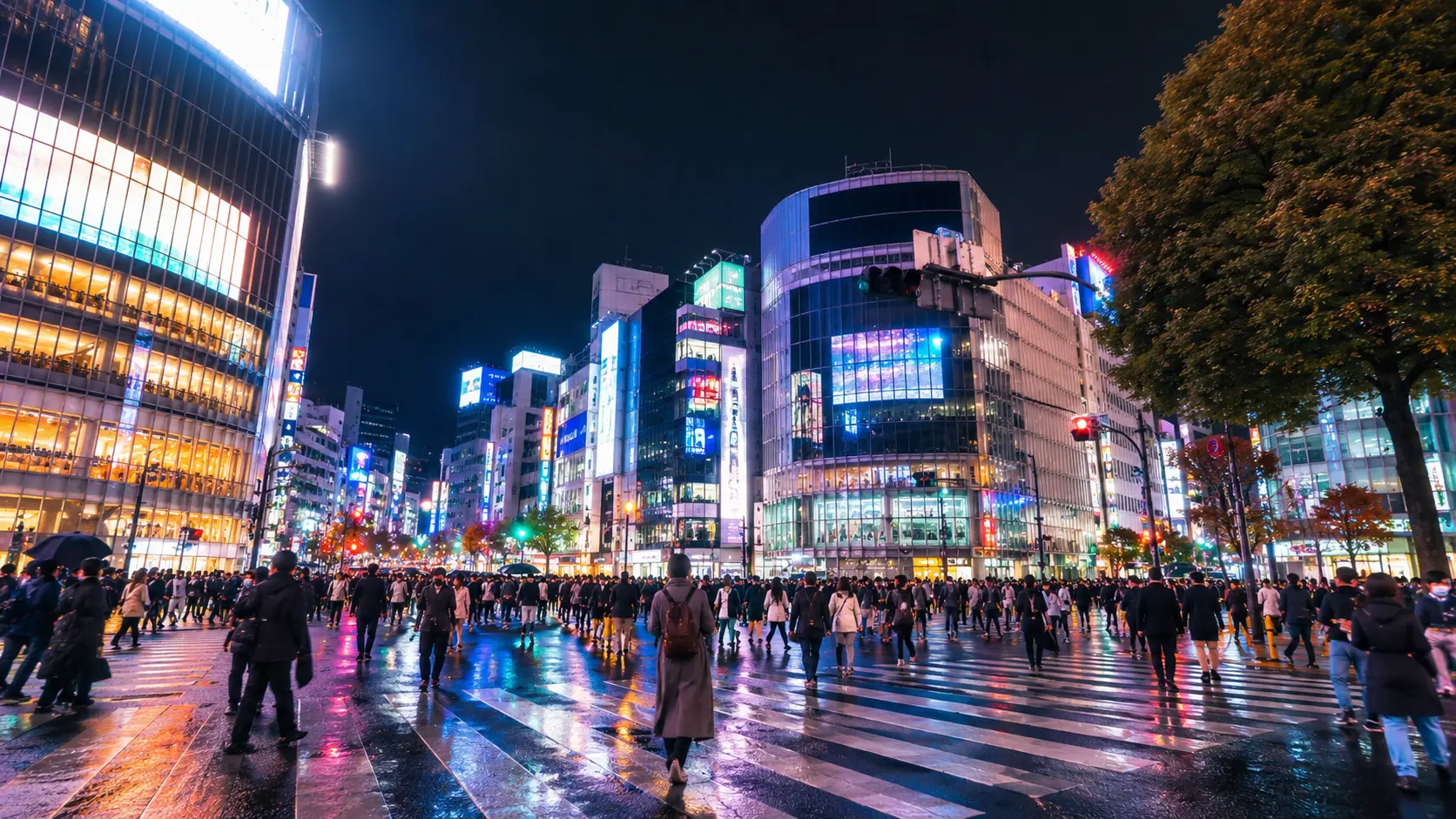
Shibuya Crossing is one of Tokyo’s most famous urban scenes and a natural first-stop area for many visitors. Combine it with Shibuya shopping streets, cafés, restaurants, Shibuya Stream, Miyashita Park, Harajuku or Omotesando for a strong western Tokyo day.
PLANNING TIP
Stay near Shibuya Station if shopping, restaurants and nightlife matter most, or visit from Shinjuku if you want a larger transport base.
Shinjuku and Tokyo Nightlife
Best for: nightlife, restaurants, neon streets, transport, shopping and first-time city energy
Shinjuku is one of Tokyo’s most useful and energetic areas. Combine Shinjuku Station, Kabukicho, Golden Gai, department stores, Shinjuku Gyoen and Nishi-Shinjuku skyscrapers depending on your travel style.
PLANNING TIP
Choose South Shinjuku or Nishi-Shinjuku if you want convenience with a calmer hotel base, and East Shinjuku if nightlife is a major priority.
Asakusa and Senso-ji
Best for: traditional Tokyo, temples, cultural streets, food stalls, first-time visitors and Tokyo Skytree access
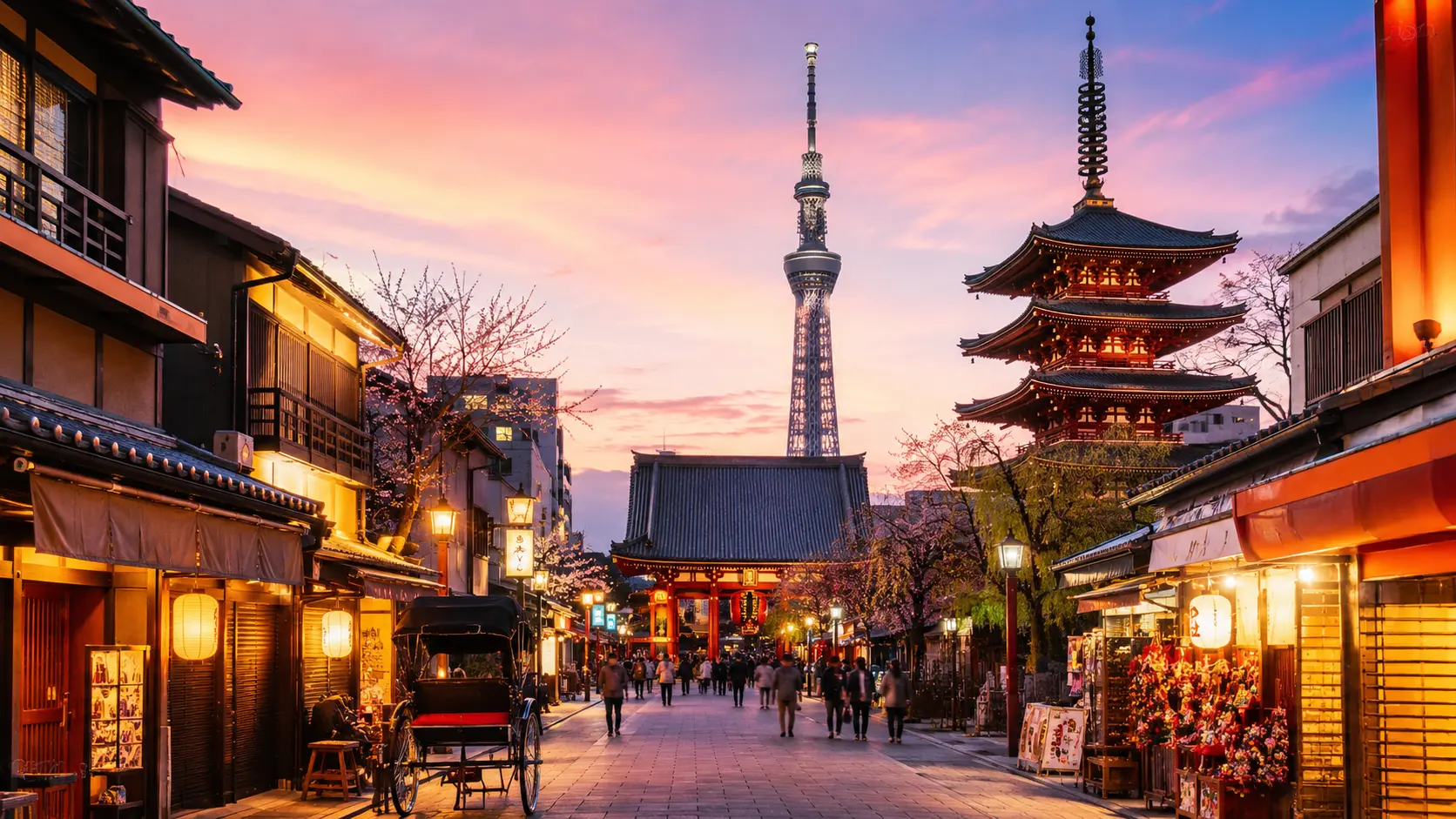
Asakusa is one of the best areas to experience Tokyo’s older atmosphere. Combine Senso-ji, Nakamise Street, riverside walks and Tokyo Skytree for a strong cultural sightseeing day.
PLANNING TIP
Stay in Asakusa if traditional atmosphere and value matter more than nightlife and luxury shopping.
Tokyo Tower and Zojoji
Best for: classic skyline views, photography, couples, evening sightseeing and central Tokyo atmosphere
Tokyo Tower is one of the city’s most recognizable landmarks and pairs well with Zojoji Temple, Shiba Park, Roppongi, Azabudai Hills or a central dinner plan. It is especially good for evening photography and skyline views.
PLANNING TIP
Stay near Tokyo Tower, Roppongi, Shiba or Ginza if you want central access with a more polished evening atmosphere.
Tokyo Skytree and Sumida
Best for: observation decks, skyline views, families, Asakusa pairing and east Tokyo sightseeing
Tokyo Skytree works well when paired with Asakusa, Sumida River walks and east Tokyo sightseeing. It is a strong option for families and first-time visitors who want big city views.
PLANNING TIP
Do not plan Skytree and too many west-side attractions on the same day unless your itinerary allows extra travel time.
Meiji Shrine, Harajuku and Omotesando
Best for: culture, fashion, shopping, parks, cafés, first-time visitors and western Tokyo walking routes
Meiji Shrine gives you a calmer cultural stop near some of Tokyo’s most active fashion and shopping areas. Pair it with Harajuku, Omotesando, Yoyogi Park and Shibuya for a balanced day.
PLANNING TIP
Shibuya is one of the easiest hotel bases for this area, while Shinjuku gives broader transport access.
Ginza, Tsukiji and Marunouchi
Best for: luxury shopping, food, polished streets, business travelers, couples and central Tokyo access
Ginza and the surrounding central area are ideal for shopping, restaurants, department stores, Tsukiji Outer Market, Marunouchi and Tokyo Station. This is one of the most polished parts of Tokyo for hotels and dining.
PLANNING TIP
Stay in Ginza or near Tokyo Station if you want a refined central base with strong dining and rail convenience.
Akihabara and Ueno
Best for: anime, electronics, museums, value hotels, casual food, parks and repeat visitors
Akihabara and Ueno are useful areas to combine if you want pop culture, museums, parks and value-friendly hotel options. This route works well for travelers who want a different side of Tokyo beyond Shinjuku and Shibuya.
PLANNING TIP
Stay in Ueno for value and museums, or Akihabara if pop culture and electronics are a major part of your trip.
How Many Days Do You Need in Tokyo?
For most first-time visitors, 4 to 5 days in Tokyo is the best balance. This gives you enough time to see the major neighborhoods, visit one or two cultural sights, enjoy food and shopping, add a skyline view and avoid turning every day into a rushed checklist.
You can visit Tokyo in 2 or 3 days, but the trip will feel selective. With 6 days or more, you can slow down, add Disney, museums, food tours, side trips or neighborhood-focused days, and choose a hotel base based on travel style rather than only convenience.
1 Day in Tokyo
Best for: very short stopovers, business travelers adding one sightseeing day, first-time highlights and visitors passing through Tokyo
With one day in Tokyo, focus on a simple route instead of trying to see everything. A strong first-day plan could include Shibuya, Harajuku, Meiji Shrine, Shinjuku and an evening view or food experience.
BEST HOTEL BASE
Choose Shinjuku, Shibuya, Ginza or Tokyo Station if you only have one day and want efficient movement.
RECOMMENDED GUIDE
Best Hotels in Tokyo →
2 Days in Tokyo
Best for: short city breaks, first-time visitors, couples, stopovers and travelers who want the main highlights quickly
With two days in Tokyo, divide Tokyo into west and east. Use one day for Shibuya, Harajuku, Meiji Shrine and Shinjuku, then use the second day for Asakusa, Tokyo Skytree, Ueno, Ginza or Tokyo Station.
BEST HOTEL BASE
Choose Shinjuku or Shibuya for energy and transport, or Ginza / Tokyo Station for a more polished central stay.
3 Days in Tokyo
Best for: first-time visitors, sightseeing, food, shopping, culture and a compact Tokyo plan
Three days in Tokyo gives you a strong introduction to the city. You can cover Shibuya, Harajuku, Shinjuku, Asakusa, Ginza, Ueno and one skyline view without rushing as much as a two-day trip.
BEST HOTEL BASE
Choose Shinjuku, Shibuya, Ginza, Ueno or Tokyo Station depending on whether you prefer nightlife, shopping, polish, value or transport convenience.
4 Days in Tokyo
Best for: most first-time visitors, food, neighborhoods, museums, shopping and balanced sightseeing
Four days in Tokyo is a strong starting point for a first Tokyo trip. You can explore west Tokyo, east Tokyo, central Tokyo and one slower food or culture day without making every day feel too full.
BEST HOTEL BASE
Stay in Shinjuku for transport and nightlife, Shibuya for shopping and energy, Ginza for a polished central stay, or Ueno / Asakusa for value and culture.
5 Days in Tokyo
Best for: first-time visitors who want comfort, families, food-focused travelers, museums and flexible planning
Five days in Tokyo gives you enough time to enjoy the city more naturally. You can combine major sights with better neighborhood exploration, add Tokyo Disney, a food tour, museums, shopping, parks or a slower evening in Roppongi, Ginza or Shinjuku.
BEST HOTEL BASE
Choose a base that matches your travel style rather than only choosing the busiest station. Shinjuku, Shibuya, Ginza, Tokyo Station, Ueno and Asakusa can all work well.
6 Days or More in Tokyo
Best for: relaxed trips, repeat visitors, families, side trips, food lovers and travelers who want deeper neighborhood discovery
With six days or more in Tokyo, the city becomes much easier to enjoy. You can slow down, revisit favorite areas, add DisneySea or Disneyland, include museums, plan a day trip, explore food neighborhoods, compare ryokan-style stays or split your stay between two areas.
BEST HOTEL BASE
For a longer stay, consider serviced apartments, family hotels, value hotels, boutique hotels or splitting time between west Tokyo and east / central Tokyo.
Suggested Tokyo Itineraries
Tokyo works best when you plan each day around one or two connected areas instead of jumping across the city too often. These itinerary ideas help you match your sightseeing route with the right hotel base, neighborhood and travel style.
Use these as flexible planning routes rather than strict schedules. The best Tokyo itinerary leaves time for food, shopping, walking, train transfers, temples, skyline views, cafés and slower neighborhood discovery.
Classic First-Time Tokyo Itinerary
Best for: first-time visitors, couples, landmark sightseeing, short trips and travelers who want the most recognizable Tokyo experience
Start with Shibuya, Harajuku, Meiji Shrine and Shinjuku, then connect Asakusa, Tokyo Skytree, Ginza, Ueno and Tokyo Tower depending on how many days you have. Add one food experience or skyline view for a stronger first-trip feel.
BEST AREAS TO STAY
Shinjuku, Shibuya, Ginza, Tokyo Station, Ueno or Asakusa
Neon Tokyo and Nightlife Itinerary
Best for: nightlife, restaurants, bars, couples, repeat visitors and travelers who want evening energy
Build your route around Shinjuku, Shibuya, Roppongi, Ebisu or Ginza depending on the kind of nightlife you prefer. This itinerary works best if you choose a hotel that makes late-night returns simple.
BEST AREAS TO STAY
Shinjuku, Shibuya, Roppongi, Ginza or Ebisu-adjacent areas
Traditional Tokyo Itinerary
Best for: culture, temples, older streets, first-time visitors, value stays and travelers who want a less futuristic Tokyo experience
Focus on Asakusa, Senso-ji, Ueno, Yanaka, Sumida River and Tokyo Skytree. This itinerary is ideal if you want temples, museums, casual food, street atmosphere and a more traditional east Tokyo base.
BEST AREAS TO STAY
Asakusa, Ueno, Tokyo Skytree / Sumida or Tokyo Station
Luxury Tokyo Itinerary
Best for: luxury travelers, special occasions, fine hotels, shopping, restaurants, polished service and premium central locations
Plan your stay around Ginza, Tokyo Station, Marunouchi, Roppongi, Toranomon, Shinjuku luxury towers or selected view hotels. Add a special dinner, skyline view, shopping, museums and a slower day around Ginza or central Tokyo.
BEST AREAS TO STAY
Ginza, Tokyo Station, Marunouchi, Roppongi, Shinjuku or Tokyo Tower area
Family Tokyo Itinerary
Best for: families, parks, museums, Disney, easy transport, larger hotels and less rushed sightseeing
Choose a well-connected base and plan lighter days around Ueno Park, Asakusa, Tokyo Skytree, Shibuya, parks, museums, shopping and Tokyo Disney if it fits your trip. Families usually do better with fewer area changes per day.
BEST AREAS TO STAY
Shinjuku, Ueno, Ginza, Tokyo Station, Asakusa, Tokyo Bay or Disney-area hotels
Food and Neighborhood Itinerary
Best for: food-focused travelers, couples, repeat visitors, markets, izakaya, ramen, sushi and local-style exploration
Build your trip around Tsukiji Outer Market, Ginza dining, Shinjuku izakaya streets, Shibuya restaurants, Ueno casual food, Asakusa snacks and selected food tours. This itinerary is stronger when you leave space for spontaneous meals.
BEST AREAS TO STAY
Ginza, Shinjuku, Shibuya, Ueno, Asakusa or Roppongi
How to Get Around Tokyo
Tokyo is one of the easiest large cities to explore without a car, but it rewards smart planning. For most visitors, the best strategy is to combine JR lines, Tokyo Metro, Toei Subway, walking, airport trains, occasional taxis and a hotel location that reduces unnecessary transfers.
For hotel planning, the key is simple: choose a base that reduces daily travel time. If you stay near Shinjuku, Shibuya, Ginza, Tokyo Station, Ueno, Asakusa, Roppongi or Shinagawa, you can combine walking with short train rides instead of crossing the city repeatedly.
For official route planning, maps, fares and visitor transport information, check GO TOKYO, Tokyo Metro and JR East before you travel.
Tokyo Metro and Subway
Best for: sightseeing, short stays, first-time visitors, neighborhood movement and efficient cross-city travel
Tokyo Metro and subway lines are extremely useful for visitors because they connect major neighborhoods, attractions, hotel areas and shopping districts. They are especially helpful if you are staying in Ginza, Asakusa, Ueno, Roppongi, Akasaka, Shibuya or central Tokyo.
HOTEL PLANNING TIP
If your trip is short, choose a hotel close to a useful station rather than only choosing the most stylish neighborhood.
JR Lines and the Yamanote Loop
Best for: Shinjuku, Shibuya, Tokyo Station, Ueno, Akihabara, Shinagawa, Ikebukuro and major city movement
JR lines are useful for connecting many of Tokyo’s major hubs. The Yamanote Line is especially helpful for visitors because it links several key areas, including Shinjuku, Shibuya, Tokyo Station, Ueno, Akihabara and Shinagawa.
HOTEL PLANNING TIP
If you want maximum transport convenience, compare hotels near Shinjuku Station, Shibuya Station, Tokyo Station, Ueno Station or Shinagawa Station.
Shinkansen and Long-Distance Rail
Best for: Kyoto, Osaka, day trips, business travel, onward journeys and travelers with luggage
If your Japan itinerary includes travel beyond Tokyo, hotel location near Tokyo Station or Shinagawa Station can make your travel days easier. This matters most if you have luggage, early trains or a tight schedule.
HOTEL PLANNING TIP
Choose Tokyo Station or Shinagawa if onward rail travel is a major part of your trip.
Airport Transfers
Best for: first and last travel day, families, business travelers, short stays and travelers with heavy luggage
Tokyo airport transfers depend on whether you arrive at Haneda or Narita, your hotel location, luggage and comfort level. Haneda is generally easier for many central Tokyo stays, while Narita often requires more transfer planning.
HOTEL PLANNING TIP
For very short stays, airport access can be more important than atmosphere. Compare Haneda-friendly and Narita-friendly hotel options before booking.
Walking
Best for: neighborhoods, shopping streets, food areas, parks, temples, photography and slower travel days
Walking is one of the best ways to experience Tokyo at neighborhood level. Shibuya, Harajuku, Omotesando, Ginza, Asakusa, Ueno, Shinjuku, Roppongi and Tokyo Station / Marunouchi all reward time on foot.
HOTEL PLANNING TIP
Choose a hotel in an area where you actually want to spend mornings and evenings, not only sleep.
Taxis and Ride-Hailing
Best for: late nights, luggage, families, business travelers, bad weather and short direct transfers
Taxis can be useful in Tokyo when you have luggage, travel late, need a direct transfer or want to avoid complicated changes. They are not usually the best option for every sightseeing journey because trains are often faster and more predictable.
HOTEL PLANNING TIP
If you plan late nights in Shinjuku, Shibuya or Roppongi, choose a hotel that makes the return simple.
Best Time to Visit Tokyo
The best time to visit Tokyo depends on whether you care most about weather, cherry blossoms, autumn colors, hotel prices, crowds, festivals, museums, shopping, food or a quieter city experience. Tokyo has something to offer in every season, but each period creates a different kind of trip.
For most first-time visitors, spring and autumn are the best overall seasons because the weather is usually more comfortable for walking and sightseeing. Summer can be hot and humid, while winter can be clear, calmer and very good for food, shopping and city views.
Spring in Tokyo
Best for: first-time visitors, cherry blossoms, parks, walking, couples, photography and classic Tokyo atmosphere
Spring in Tokyo is one of the most popular times to visit because the city becomes easier to enjoy outdoors. Parks, riverbanks, gardens and shopping streets feel especially rewarding, and cherry blossom season can make the trip more memorable.
HOTEL PLANNING TIP
Book early if you want a good hotel in Shinjuku, Shibuya, Ginza, Ueno or near major parks during peak spring dates.
Summer in Tokyo
Best for: festivals, nightlife, shopping, families, indoor attractions and travelers comfortable with heat
Summer in Tokyo gives the city long days, festivals and lively evenings, but it can also feel hot and humid. Hotel location matters more because long midday transfers can feel tiring.
HOTEL PLANNING TIP
Choose a hotel close to transport, restaurants and indoor attractions so you can plan easier breaks during the day.
Autumn in Tokyo
Best for: culture, food, walking, parks, photography, couples and balanced sightseeing
Autumn in Tokyo is one of the strongest seasons for a balanced trip because walking is more comfortable, parks and gardens become more attractive, and the city feels excellent for food, shopping and neighborhood exploration.
HOTEL PLANNING TIP
Autumn is a good season to choose a hotel based on atmosphere as well as transport. Shibuya, Ginza, Asakusa, Ueno and Shinjuku can all work well.
Winter in Tokyo
Best for: clear views, shopping, food, illuminations, museums, luxury hotels and quieter sightseeing
Winter in Tokyo can be very good if you like food, shopping, city lights, museums, clear skyline views and fewer weather complications than summer. It is usually better for city exploring than beach or outdoor-focused trips.
HOTEL PLANNING TIP
Choose Ginza, Shinjuku, Shibuya, Tokyo Station or Roppongi if you want easy access to restaurants, shopping and indoor attractions.
Best Time for Better Value
Best for: value seekers, flexible travelers, repeat visitors, serviced apartments and travelers who care more about price balance than perfect weather
For better value, compare dates outside the highest-demand holiday, cherry blossom and major event periods. You may find better price balance in Ueno, Asakusa, Akihabara, Shinagawa, Narita Airport, Haneda Airport or selected serviced-apartment locations.
HOTEL PLANNING TIP
The best-value area is not always the cheapest area — it is the one that gives you good location, strong reviews and fewer transport compromises.
Best Time for Events and Culture
Best for: festivals, exhibitions, food events, concerts, museums, anime culture, shopping trips and repeat visitors
Tokyo has events, exhibitions, festivals and seasonal experiences throughout the year, so the best month depends on what you want to do. Before booking, check official event calendars, museum schedules and seasonal attraction information.
HOTEL PLANNING TIP
If events, shows, nightlife or shopping are important, Shinjuku, Shibuya, Ginza, Roppongi and Tokyo Station can be more practical than quieter outer areas.
Best Tours and Experiences in Tokyo
Tokyo is easy to explore independently, but the right tour can save time, reduce planning stress and make major neighborhoods easier to understand. Tours are especially useful for first-time visitors, food-focused trips, families, short stays and travelers who want a smoother experience around the busiest areas.
The strongest Tokyo tours are usually connected to food, Shibuya and Shinjuku nightlife, Asakusa culture, Tsukiji Outer Market, sumo experiences, anime and pop culture, Tokyo Disney, Mt Fuji day trips and private city orientation tours.
Tokyo Food Tours
Best for: food-focused travelers, couples, repeat visitors, first-time visitors, izakaya, ramen, sushi and local dining confidence
A Tokyo food tour can be one of the best ways to understand the city beyond sightseeing. Shinjuku, Shibuya, Ginza, Tsukiji, Ueno, Asakusa and Ebisu can all work well depending on the style of food you want.
HOTEL PLANNING TIP
Stay in Shinjuku, Shibuya, Ginza or Ueno if food and evening dining are major parts of your trip.
Asakusa Cultural Tours
Best for: traditional Tokyo, temples, history, first-time visitors, photography and east Tokyo sightseeing
Asakusa is one of the strongest areas for cultural tours because it gives visitors context around Senso-ji, older streets, food stalls and east Tokyo atmosphere. It pairs well with Tokyo Skytree and Sumida River routes.
HOTEL PLANNING TIP
Stay in Asakusa or Ueno if traditional Tokyo and east-side sightseeing are major priorities.
Shinjuku and Shibuya Night Tours
Best for: nightlife, food, photography, first-time visitors, couples and travelers who want help navigating busy evening areas
Night tours can be useful in Shinjuku and Shibuya because both areas are busy and layered. A good route can help you understand restaurants, bars, neon streets and evening atmosphere without feeling overwhelmed.
HOTEL PLANNING TIP
Stay near Shinjuku Station or Shibuya Station if nightlife is a major part of your Tokyo plan.
Tsukiji and Ginza Food Experiences
Best for: seafood, food markets, sushi, luxury dining, shopping and polished central Tokyo stays
Tsukiji Outer Market and Ginza are a strong combination for food-focused travelers. This area works well for breakfast, lunch, shopping and a more polished central Tokyo day.
HOTEL PLANNING TIP
Stay in Ginza or near Tokyo Station if food, shopping and central movement are important.
Mt Fuji and Day Trips from Tokyo
Best for: longer stays, scenery, first-time Japan trips, photography and travelers with at least one flexible day
Mt Fuji and other day trips can be rewarding, but they are best added when you have enough time in Tokyo. Transport and weather can affect the experience, so avoid building your whole trip around one day-trip plan.
HOTEL PLANNING TIP
Choose Shinjuku, Tokyo Station or Shinagawa if day trips and rail access matter.
Tokyo Disney Experiences
Best for: families, Disney fans, longer stays, children and travelers adding a theme park day
Tokyo Disneyland and Tokyo DisneySea can work very well as part of a longer Tokyo trip. Choose your hotel based on whether you want to stay close to the parks or keep a central Tokyo base.
HOTEL PLANNING TIP
Stay near Tokyo Disneyland if Disney is a major part of the trip, or stay central if you only plan one park day.
Where to Eat and Drink in Tokyo
Tokyo is one of the world’s strongest cities for food, from sushi, ramen, izakaya and depachika food halls to fine dining, cafés, casual standing bars, markets and hotel restaurants. The best area for food depends on whether you want nightlife, luxury dining, casual ramen, markets, traditional streets, international restaurants or a more local neighborhood feel.
For most visitors, the smartest approach is to match food planning with your hotel area. Stay in Shinjuku for izakaya and nightlife, Shibuya for restaurants and casual dining, Ginza for sushi and polished dining, Asakusa for traditional snacks and older streets, Ueno for casual food and value, Roppongi for international dining and nightlife, and Tokyo Station / Marunouchi for business-friendly restaurants.
Sushi, Seafood and Ginza Dining
Best for: sushi, seafood, luxury dining, couples, special occasions and polished central Tokyo stays
Ginza and the surrounding central area are among Tokyo’s strongest food districts for travelers who want sushi, refined dining, department-store food halls and a polished evening setting.
HOTEL PLANNING TIP
Stay in Ginza or near Tokyo Station if restaurants, shopping and service are important parts of the trip.
Ramen, Izakaya and Shinjuku Nights
Best for: nightlife, casual food, ramen, izakaya, bars, first-time visitors and energetic evenings
Shinjuku is one of Tokyo’s strongest areas for evening food and nightlife. It works especially well if you want restaurants, bars, ramen, izakaya streets and neon city atmosphere close to your hotel.
HOTEL PLANNING TIP
Choose Shinjuku if restaurants and nightlife matter more than a quiet hotel neighborhood.
Shibuya Restaurants and Cafés
Best for: casual dining, cafés, shopping, nightlife, couples and modern Tokyo atmosphere
Shibuya is strong for restaurants, cafés, shopping breaks and lively evenings. It works especially well for travelers who want food and nightlife close to fashion, shopping and western Tokyo neighborhoods.
HOTEL PLANNING TIP
Stay near Shibuya Station if you want easy restaurants, shopping and evening energy close to your hotel.
Traditional Snacks and Asakusa Food
Best for: traditional sweets, casual food, cultural streets, first-time visitors and east Tokyo atmosphere
Asakusa is a good food area if you want traditional snacks, casual restaurants and sightseeing streets around Senso-ji. It is not as polished as Ginza or as nightlife-heavy as Shinjuku, but it has strong character.
HOTEL PLANNING TIP
Stay in Asakusa if traditional atmosphere and value matter more than nightlife.
Ueno and Ameyoko Casual Food
Best for: casual meals, value seekers, museums, markets, families and travelers who prefer a practical food scene
Ueno is strong for casual food, markets, museums and value-focused stays. It works well if you want easy meals, transport and a less polished but very practical Tokyo base.
HOTEL PLANNING TIP
Choose Ueno if value, museums and casual food matter more than luxury hotels.
Roppongi Dining and Nightlife
Best for: international restaurants, nightlife, bars, couples, museums and evening city atmosphere
Roppongi is one of Tokyo’s strongest areas for international dining, bars and evening activity. It works especially well for couples and repeat visitors who want restaurants and nightlife close to the hotel.
HOTEL PLANNING TIP
Stay in Roppongi if evening restaurants, bars and museums matter more than station-scale convenience.
Essential Tokyo Travel Tips
Tokyo is easier to enjoy when you plan around areas, train routes and hotel location rather than trying to see every famous attraction in one rushed itinerary. The best trips usually combine major sights with slower neighborhood time, food, shopping, temples, skyline views and a hotel base that matches your travel style.
Use these practical Tokyo travel tips before choosing where to stay, what to book and how to structure each day.
Choose Your Hotel Area Before Choosing the Hotel
Best for: first-time visitors, short stays, families, couples and travelers comparing several Tokyo neighborhoods
Your hotel area will shape the entire trip. A beautiful hotel in the wrong location can create more train changes, while a well-located hotel can make sightseeing, meals, shopping and evening plans much easier.
PLANNING TIP
Choose Shinjuku for transport and nightlife, Shibuya for shopping and energy, Ginza for luxury and dining, Asakusa for tradition, Ueno for value, Tokyo Station for rail convenience and Shinagawa for Shinkansen or airport links.
Plan Each Day by Area
Best for: sightseeing, families, short trips, first-time visitors and anyone who wants to avoid wasting time
Tokyo is large, and crossing the city too many times can make the trip feel tiring. Group nearby attractions together instead of jumping between Asakusa, Shibuya, Ginza and Tokyo Disney on the same day.
PLANNING TIP
Pair Shibuya with Harajuku and Meiji Shrine, Asakusa with Tokyo Skytree, Ginza with Tsukiji and Tokyo Station, and Shinjuku with evening food or nightlife.
Book Key Experiences Strategically
Best for: Tokyo Disney, food tours, skyline views, popular restaurants, museum-heavy trips and short stays
If a major attraction, restaurant, tour or Disney day is important to your trip, plan it early and avoid leaving everything flexible until the last minute. This matters most for short trips and family travel.
PLANNING TIP
Do not book too many ticketed experiences on the same day. Leave space for train transfers, meals, shopping and slower discovery.
Use Trains Wisely, But Do Not Overload Each Day
Best for: short stays, cross-city sightseeing, business travelers and visitors staying outside the most walkable areas
Tokyo trains are extremely useful, but the best days often combine one or two main train moves with walking routes. If every part of your itinerary requires a long transfer, your hotel base or daily plan may not be efficient enough.
PLANNING TIP
Choose a hotel that lets you walk to at least some restaurants, cafés, shops, sights or evening areas.
Leave Time for Food, Shopping and Wandering
Best for: couples, repeat visitors, food-focused travelers and anyone who wants Tokyo to feel less rushed
Tokyo is not only about attractions. Some of the best parts of the city are food streets, station basements, cafés, depachika, small bars, parks, temples, design stores and slower neighborhood exploration. A packed itinerary can make the city feel more stressful than it should.
PLANNING TIP
Choose a hotel in a neighborhood where you actually want to spend mornings and evenings, not only sleep.
Balance Location, Price and Room Size
Best for: value seekers, families, longer stays, serviced-apartment travelers and visitors comparing hotel categories
The cheapest hotel is not always the best value in Tokyo. A slightly better station location can save time and reduce transfer stress, while a larger room, serviced apartment or calmer area may be worth more than a famous address.
HOTEL PLANNING TIP
For better value, compare Ueno, Asakusa, Akihabara, Shinagawa, Tokyo Station edges, Narita Airport stays, Haneda-area hotels and serviced apartments before choosing the cheapest option.
Explore Paris Hotel Guides
Planning a trip to Tokyo? Use these guides to compare the best areas, hotel styles, station locations, landmark stays, luxury options, family hotels, serviced apartments and value-friendly hotels before you book.
For official city planning information, visit GO TOKYO and Tokyo Metro.
Best Hotels in Tokyo →
Best Hotels Near Shinjuku Station →
Best Hotels Near Shibuya Station →
Best Hotels in Ginza Tokyo →
FAQs About Planning a Trip to Tokyo
Find quick answers to common questions about planning a Tokyo trip, including where to stay, how many days you need, the best areas for first-time visitors, transport, attractions, hotels and the best time to visit.
Where should I stay in Tokyo for the first time?
For most first-time visitors, the best areas to stay in Tokyo are Shinjuku, Shibuya, Ginza, Tokyo Station, Asakusa and Ueno. Choose Shinjuku for transport and nightlife, Shibuya for shopping and energy, Ginza for luxury and dining, Tokyo Station for rail convenience, Asakusa for traditional atmosphere and Ueno for value and museums.
How many days do you need in Tokyo?
For most visitors, 4 to 5 days in Tokyo is the best balance. Four days gives you time for the main neighborhoods, one or two cultural sights, food, shopping and a skyline view. Five days allows a slower pace with Disney, museums, food tours or more relaxed neighborhood exploration.
What is the best area to stay in Tokyo?
There is no single best area for everyone. Shinjuku is best for transport and nightlife, Shibuya for shopping and youth culture, Ginza for luxury and dining, Tokyo Station for business and rail convenience, Asakusa for tradition, Ueno for value and Roppongi for nightlife and international dining.
Is Tokyo easy to get around?
Yes. Tokyo is easy to explore with a mix of JR lines, Tokyo Metro, Toei Subway, walking and occasional taxis. For most visitors, the best strategy is to stay near a useful station and group attractions by area instead of crossing the city too many times in one day.
What are the top things to do in Tokyo?
The most popular things to do in Tokyo include Shibuya Crossing, Shinjuku, Asakusa and Senso-ji, Tokyo Skytree, Tokyo Tower, Meiji Shrine, Harajuku, Ginza, Tsukiji Outer Market, Ueno Park, Akihabara and the Imperial Palace area.
What is the best time to visit Tokyo?
For most travelers, spring and autumn are the best times to visit Tokyo because the weather is usually more comfortable for walking and sightseeing. Summer is lively but hot and humid, while winter can be good for clear views, food, shopping and city lights.
Is Tokyo good for families?
Yes, Tokyo can be very good for families if you choose the right hotel area and avoid overloading the itinerary. Families usually do best in well-connected areas with easy access to parks, museums, food options, transport and larger or apartment-style hotel options.
Is Tokyo better for hotels or serviced apartments?
Hotels are better for short stays, couples, luxury trips and first-time visits where service and location matter most. Serviced apartments can be better for families, longer stays, flexible meals and travelers who want more space or apartment-style convenience.
Should I stay in Shinjuku or Shibuya?
Stay in Shinjuku if you want the strongest transport base, nightlife, large hotels and easy movement across Tokyo. Stay in Shibuya if you want shopping, restaurants, youth culture, cafés and a more modern western Tokyo atmosphere.
Should I stay near Tokyo Station?
Stay near Tokyo Station if business convenience, Shinkansen access, Ginza, Marunouchi or short-stay rail movement matters most. Choose Shinjuku, Shibuya or Asakusa instead if you want stronger nightlife, shopping or traditional atmosphere outside the hotel.
Should I book Tokyo attractions in advance?
For high-demand experiences, popular restaurants, Tokyo Disney, major tours and special observation experiences, booking ahead is usually smarter. This is especially important for short trips, family travel and itineraries built around one or two must-do experiences.
Final Verdict: How to Plan the Perfect Tokyo Trip
Tokyo is worth planning carefully because the city can feel very different depending on where you stay, how many days you have and how you group your sightseeing. The best Tokyo trips combine major sights with slower neighborhood time, food, shopping, temples, parks, skyline views and a hotel base that makes each day easier.
For most first-time visitors, the best strategy is to stay in a central or well-connected area and build the itinerary around nearby attractions. Choose Shinjuku if transport and nightlife matter most, Shibuya for shopping and city energy, Ginza for luxury and dining, Tokyo Station for rail convenience, Asakusa for traditional atmosphere, Ueno for museums and value, Roppongi for nightlife and Shinagawa for Shinkansen or airport links.
If you have 4 to 5 days in Tokyo, focus on Shibuya, Harajuku, Shinjuku, Asakusa, Tokyo Skytree, Ginza, Ueno, Tokyo Tower, food experiences and one slower neighborhood day. With more time, add Tokyo Disney, museums, day trips, ryokan-style stays, food tours, shopping and a more relaxed area-based itinerary.
The simple rule is this: choose your hotel area first, then plan attractions by location. A well-chosen Tokyo base can make the trip feel smoother, more efficient and more enjoyable, while the wrong location can add unnecessary transfers every day.
Best overall planning choices
Start with Best Hotels in Tokyo if you are still choosing your base. Choose Best Hotels for First-Time Visitors in Tokyo for an easy first trip, Best Hotels Near Shinjuku Station for transport and nightlife, Best Hotels Near Shibuya Station for shopping and energy, Best Hotels in Ginza Tokyo for luxury and dining, Best Hotels in Asakusa Tokyo for traditional atmosphere, Best Hotels Near Tokyo Station for rail convenience and Best Serviced Apartments in Tokyo for longer stays or more space.